Basement Flooding in Sedona, IN
Emergency basement extraction across Sedona and Hamilton County, with commercial dehumidification and cavity drying for finished walls.
Sedona Water Restoration is the Sedona call for Basement Flooding: emergency crews around the clock, moisture readings instead of guesswork, and insurance files built properly. Call (765) 703-7292.
- Service: Basement Flooding for Sedona homeowners
- Service area: Sedona, IN and surrounding areas
- Response time: Emergency calls from Sedona dispatched immediately, day or night
- Licensed and insured (License #RC21100059)
- Serving Sedona, IN since 2018
Expert Basement Flooding for Sedona Homeowners
Your Sedona basement stayed dry for years, which makes the first flood hard to read. A rain heavier than the yard and the footing drains were built for can overwhelm a house with no history of leaks, and the water goes into materials that have never had to dry out. Sedona Water Restoration documents the source and dries the structure from the readings.
A thermal camera shows where evaporation is cooling a surface, which tells the crew where to point the meter. The meter then supplies the number for that spot. Sedona Water Restoration uses both in your Sedona basement, because the image shows the pattern and the meter gives the value that goes in the log.
Sedona Water Restoration spends the first hour of a basement job on the source. A failed sump pump, a stuck float switch, a bad check valve on the discharge line and a plugged floor drain each leave different evidence, and the crew works out which one it is and hands it to the right trade when the repair sits outside mitigation. Extraction and drying follow once the inflow's stopped.
If a water heater or a washer hose failed, keep the broken part until the adjuster has seen it, and photograph the data plate with the model and serial number. Wear on the part itself is often excluded, while the water damage it caused may be reviewed under a different part of the policy. Sedona Water Restoration photographs the failure point in your Sedona home too.
A second flood in the same Sedona basement deserves a harder look at the source along with a complete dry out of what's wet now. Call Sedona Water Restoration. A crew dispatches, documents both, and tells you what it would take to keep the water outside next time. The inspection takes place at any hour of any day.
Signs You Need Basement Flooding Cleanup
If you notice any of these in your Sedona home, schedule a free inspection before the issue worsens.
Battery backup alarm sounding on the sump pump, or a backup battery that ran flat in an outage
Water standing in the window well, up above the bottom of the window frame
A rust line on metal shelving legs, or on the base of the water heater and furnace
Mortar joints in the foundation wall that feel damp or crumble when you press a thumb into them
Water seeping under the door at the bottom of a walkout or exterior basement stairwell
Condensation beading on cold water lines while the concrete floor stays dark and cool
Power went out in the storm and the sump pit in your Sedona basement filled
Carpet that squishes underfoot along the perimeter while the middle of the room still feels dry
Paint blistering and peeling off the lower foundation wall of your Sedona basement in sheets
Water beading up through the saw cuts or control joints in your Sedona slab after heavy rain
How Sedona Water Restoration Handles Basement Flooding
We follow these steps in order on every Sedona job.
Controlled Removal
Drywall that wicked water gets cut at a measured height, wet batt insulation comes out of the bays and gets bagged, and carpet pad goes out. Material the meters show dry stays in place, and every removal gets photographed before it happens.
Drying Chamber Setup
Dehumidification gets sized to the cubic footage of a closed space and air movers get placed to sweep the wet surfaces. The basement stays closed while it dries, since outside air in humid weather adds moisture to a cool space with masonry walls.
Daily Monitoring
A technician returns every 24 hours while drying runs, takes readings at the same marked spots, compares room humidity against the day before, and moves equipment as the wet area shrinks. Any change to the scope arrives with photos and a conversation.
Clearance Verification
Final readings get taken on every material that was wet and compared against the same material elsewhere in the house that the water never reached. Equipment comes out after those numbers are documented, and the containment comes down after the equipment does.
Records Handoff
You receive the photo report, the moisture map, the daily logs and the equipment record for your Sedona basement in one file. The crew goes through it with you and answers questions about any line, so you can use it with your insurance company.
Basement Flooding in Sedona
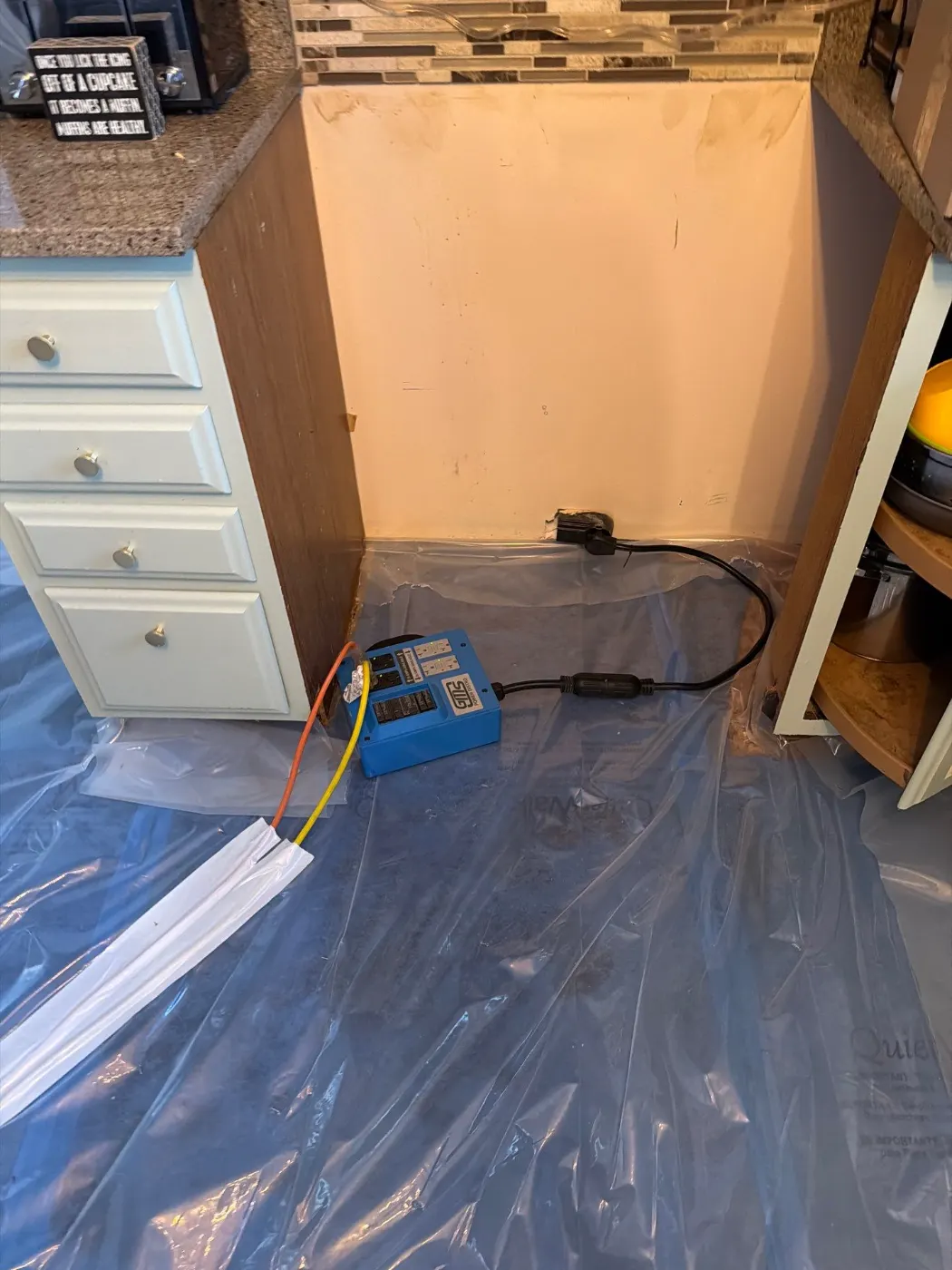
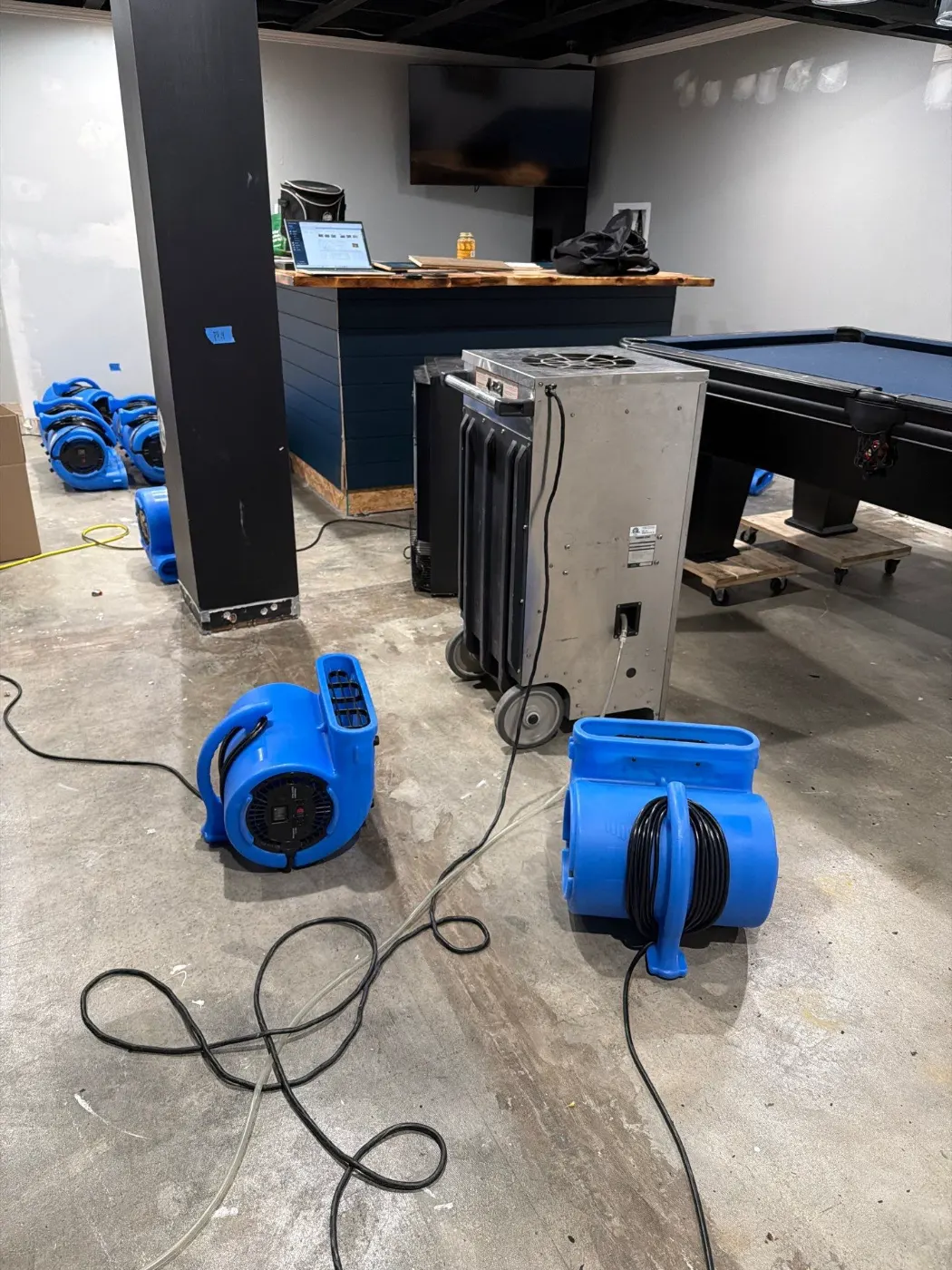
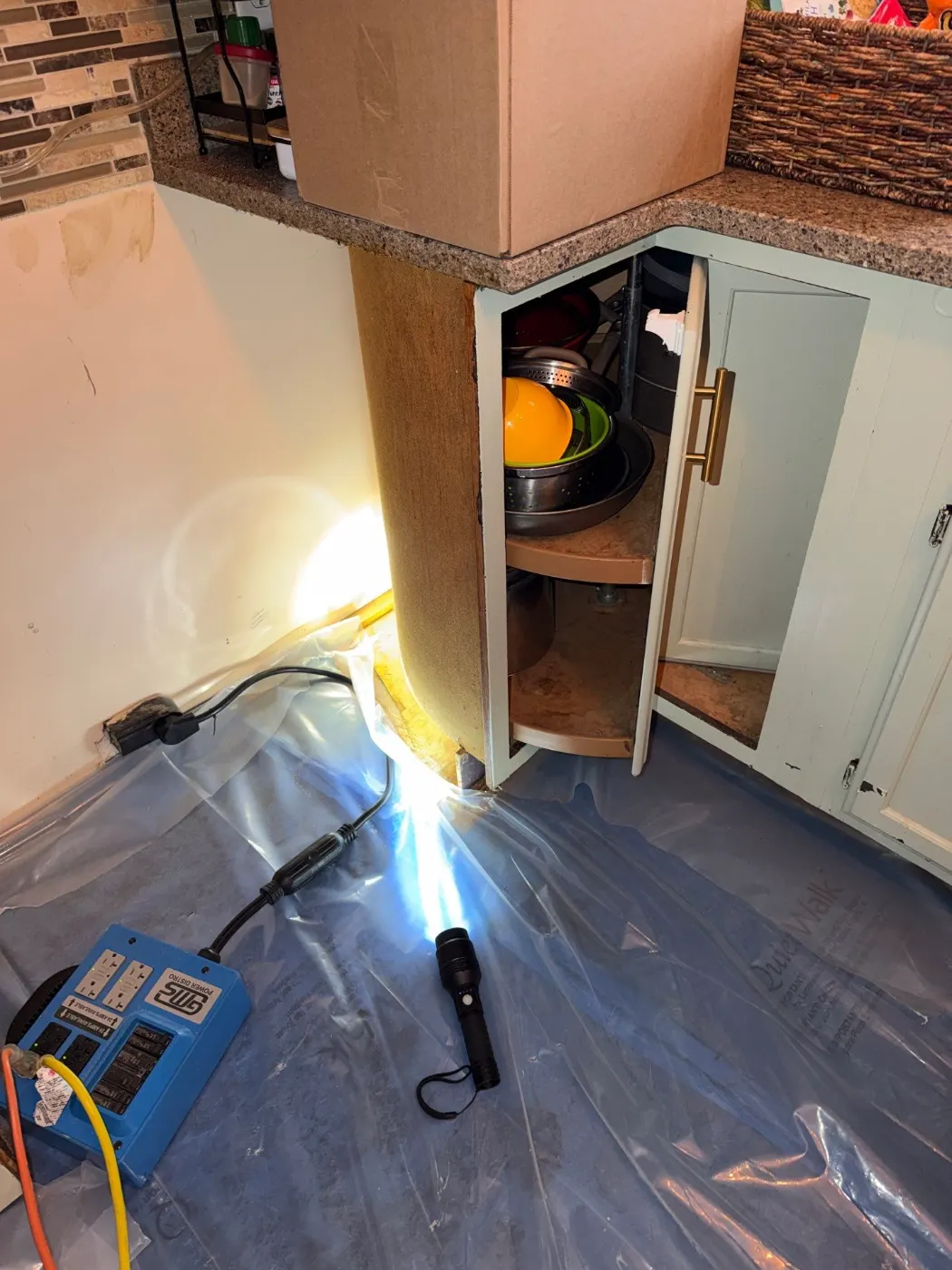
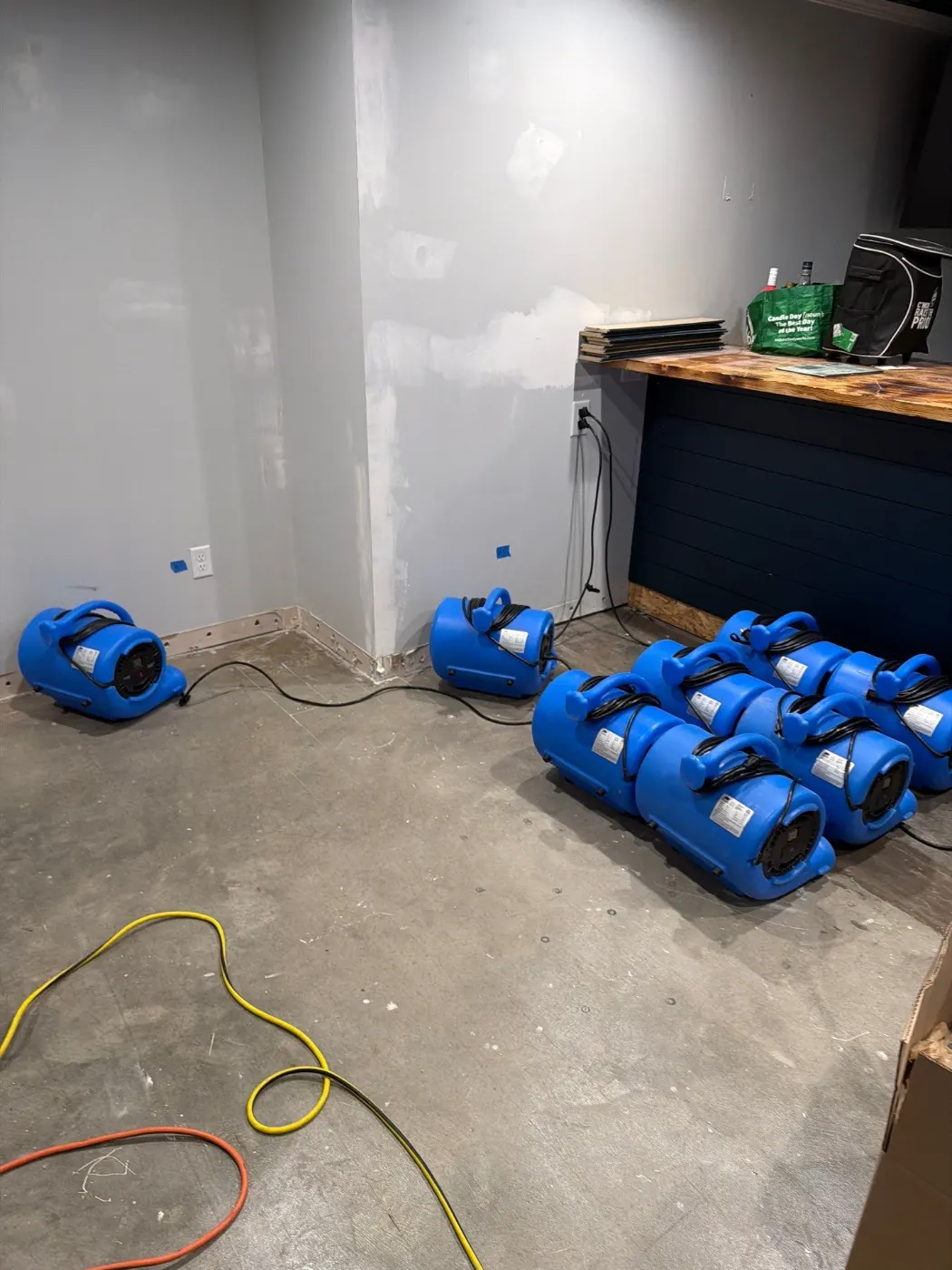
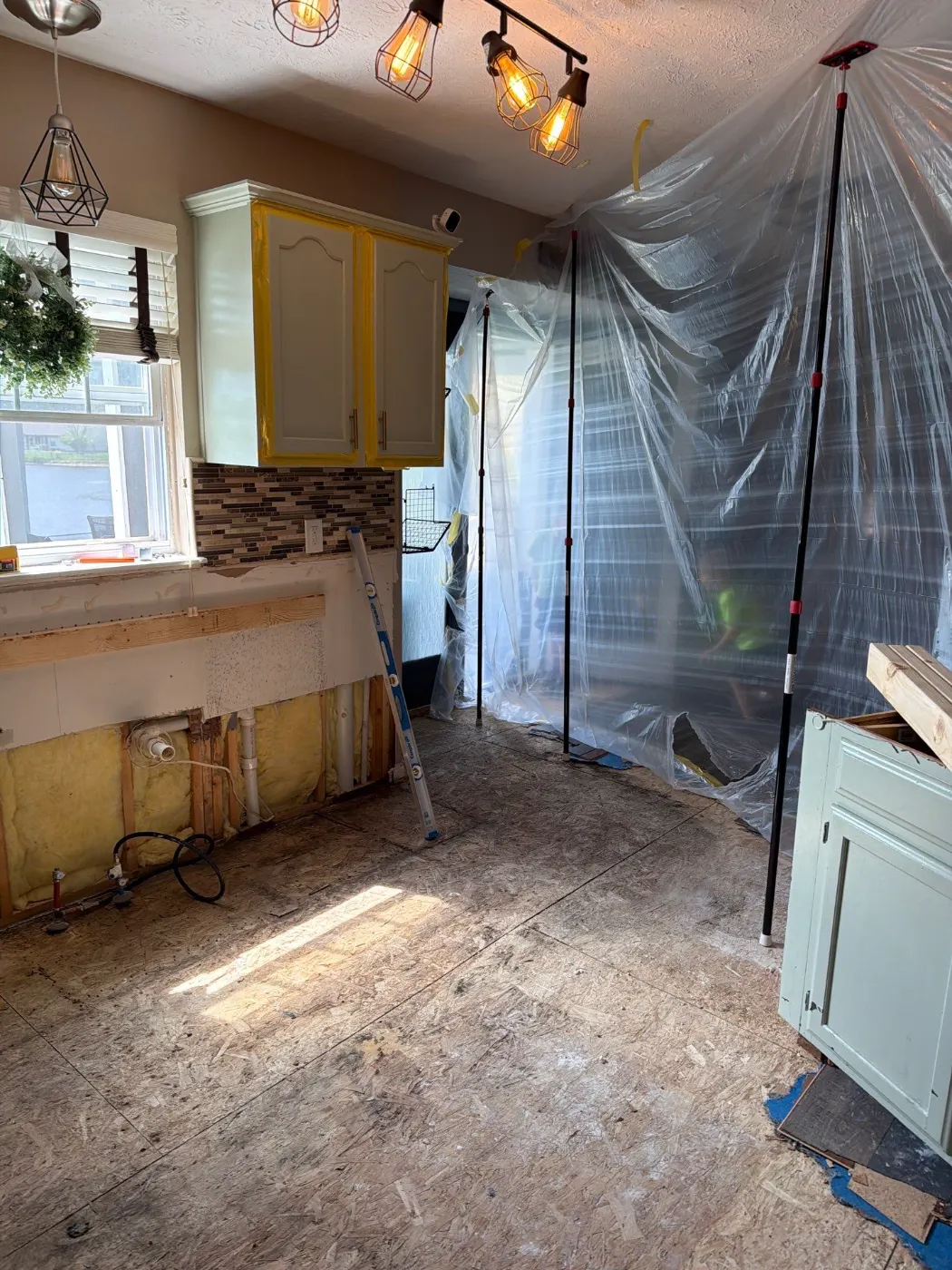
Photographs from real basement flooding jobs completed by our crew in Sedona and surrounding areas.
Basement Flooding FAQ
Questions Sedona homeowners ask us about basement flooding cleanup.
Guidance and Standards for Basement Flooding
- EPA advises drying water damaged areas and items within 24 to 48 hours to prevent mold growth. EPA: A Brief Guide to Mold, Moisture and Your Home
- Ready.gov notes that homeowners insurance policies don’t cover flooding, so check what your own policy says. Ready.gov: Floods
Other Restoration Services in Sedona
Sedona Water Restoration handles the full scope of restoration work. Explore our other services below.
Water Damage Restoration in Sedona
24/7 emergency response. IICRC certified water restoration from extraction to full dry out.
Learn more →Sewage Cleanup in Sedona
Category 3 biohazard cleanup. Full containment, decontamination, structural restoration.
Learn more →Storm Damage in Sedona
Storm related water emergencies. Tarping, extraction, drying, and full restoration.
Learn more →Request Basement Flooding Cleanup
Reach Us Directly
Our team is available 24/7 for emergencies and ready to schedule inspections during business hours.
Need Immediate Help?
For active water or mold emergencies, call us directly. We are available 24/7.