Storm Damage in Sedona, IN
After a storm in Sedona, call Sedona Water Restoration at (765) 703-7292 any hour for the water inside your home.
Sedona Water Restoration handles Storm Damage for Sedona, IN homeowners: emergency dispatch around the clock, IICRC certified technicians, and insurance coordination on approved claims. Call (765) 703-7292.
- Service: Storm Damage for Sedona homeowners
- Service area: Sedona, IN and surrounding areas
- Response time: Emergency water calls in Sedona get crews rolling, not callbacks
- Licensed and insured (License #RC21100059)
- Serving Sedona, IN since 2018
Expert Storm Damage for Sedona Homeowners
Storm water that comes in overhead hides most of itself. What you can see is a wet patch of drywall. What you can't see is the insulation above it holding water against the ceiling board while the framing wicks it sideways and the top of the wall below starts to wet out. Sedona Water Restoration dispatches to storm damage calls across Sedona and Hamilton County within 2 hours with thermal imaging and probes that read what's inside the assembly.
Storm water gets into a house in a handful of ways, like a lifted shingle, a failed flashing joint, an ice dam backing up under the eave or wind pushing rain through a soffit. Sedona Water Restoration traces the path in your Sedona home with a thermal camera and moisture meters, so the drying covers every room the water reached.
Nothing comes out of your house without a reason you can see on paper. Technicians show the homeowner the readings behind each removal, walk the scope line by line, and get a signature before demolition starts. If hidden damage turns up once a ceiling's open, that gets documented as a scope change with its own photos, and you approve it before the work goes ahead.
Storm damage that sat for a while raises questions, so the file gets built to answer them. Sedona Water Restoration documents the condition of the materials as found in your Sedona home, notes where newer damage has already started and photographs both. You decide with your insurance company what that record means, and the photos make it clearer than anybody's memory would.
One call gets a crew on the way to your Sedona, IN home, any hour of the day. Sedona Water Restoration covers the opening, pulls the water, and dries whatever the storm's gotten into. You keep every reading the crew takes.
Signs You Need Storm Damage Restoration
If you notice any of these in your Sedona home, schedule a free inspection before the issue worsens.
Wallpaper seams lifting or paint peeling at the baseboard after a storm
Interior door frames swollen so the door rubs or won't latch
Water seeping in at the floor and wall joint during heavy rain
Dark staining or rusted nail points on the underside of attic sheathing and rafters
Standing water around the sump pit after the power came back on
Water staining on the wall below a window after rain came in sideways
White chalky residue on a basement foundation wall where water has been moving through it
A wet soffit or ceiling corner on a covered porch after wind pushed rain up under the eave
Thick ice built up in the gutter with icicles hanging along the edge of the eave
Shingles lifted, curled, or missing where you can see the roof from the ground
How Sedona Water Restoration Handles Storm Damage
We follow these steps in order on every Sedona job.
Sump and Drain Check
The crew looks at the sump basin and the floor drains to see whether water is still entering or backing up. Anything that needs a plumber or an electrician gets noted, so the basement isn't refilling while the drying runs.
Contents Protection
Furniture legs get blocked off wet flooring and small items move out of the water's reach, with photos taken of anything that shifts. Rugs and boxes in a flooded basement come up off the floor before extraction starts.
Contaminated Material Removal
Porous materials soaked by floodwater, such as carpet and the lower drywall, get cut out and bagged for disposal. Cut heights are photographed and recorded, so the scope and your file show what came out and why.
Progress Review With You
Partway through the job the technician walks the rooms with you and compares today's readings to the first day's. You hear which rooms are dry and which are lagging, and changes to the plan get approved before they happen.
Final Walkthrough
Once the clearance readings are documented, the equipment comes out and the technician walks the rooms with you. The removed materials and the photo file get reviewed together so you know what repairs come next.
Storm Damage in Sedona
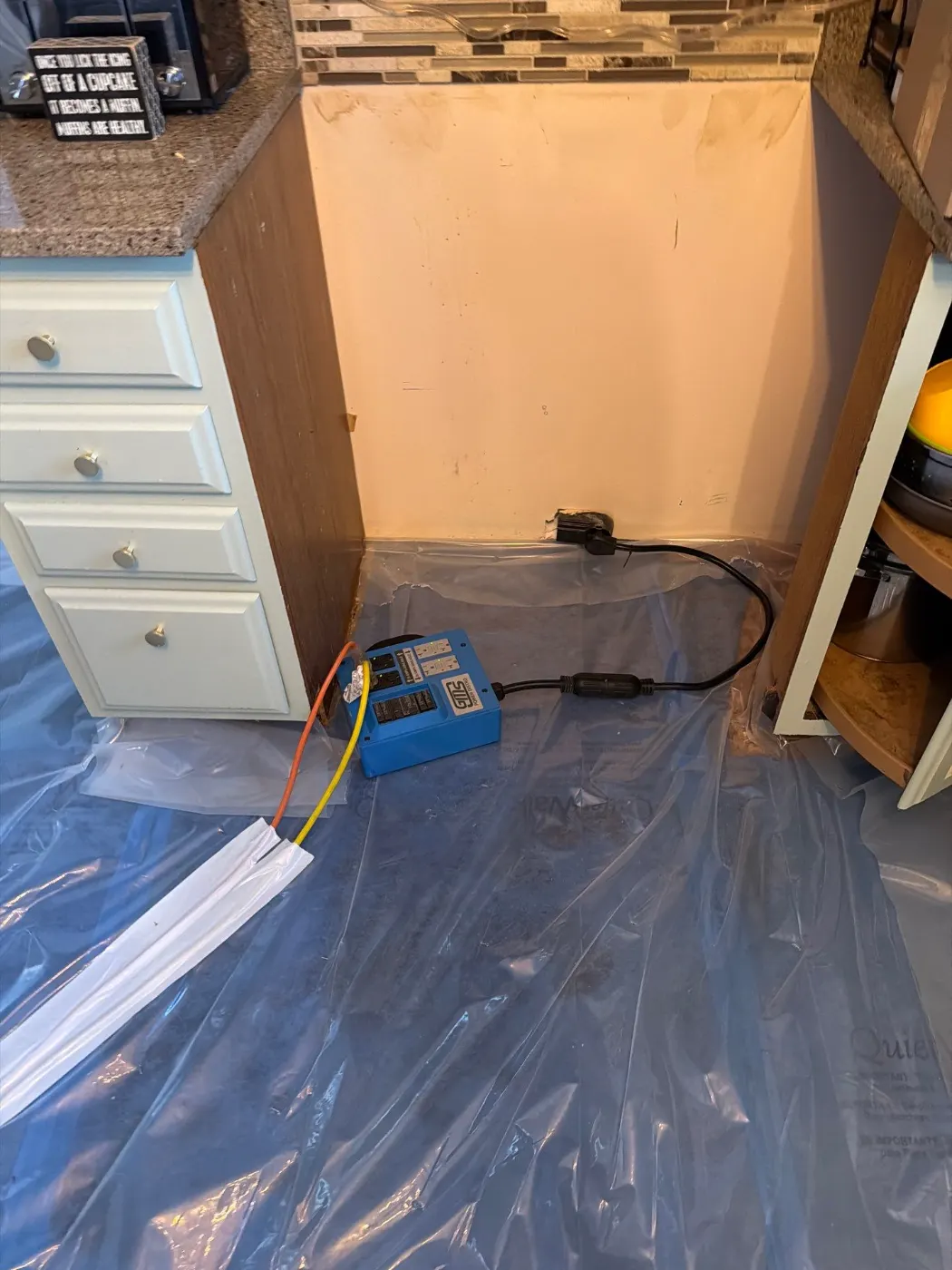
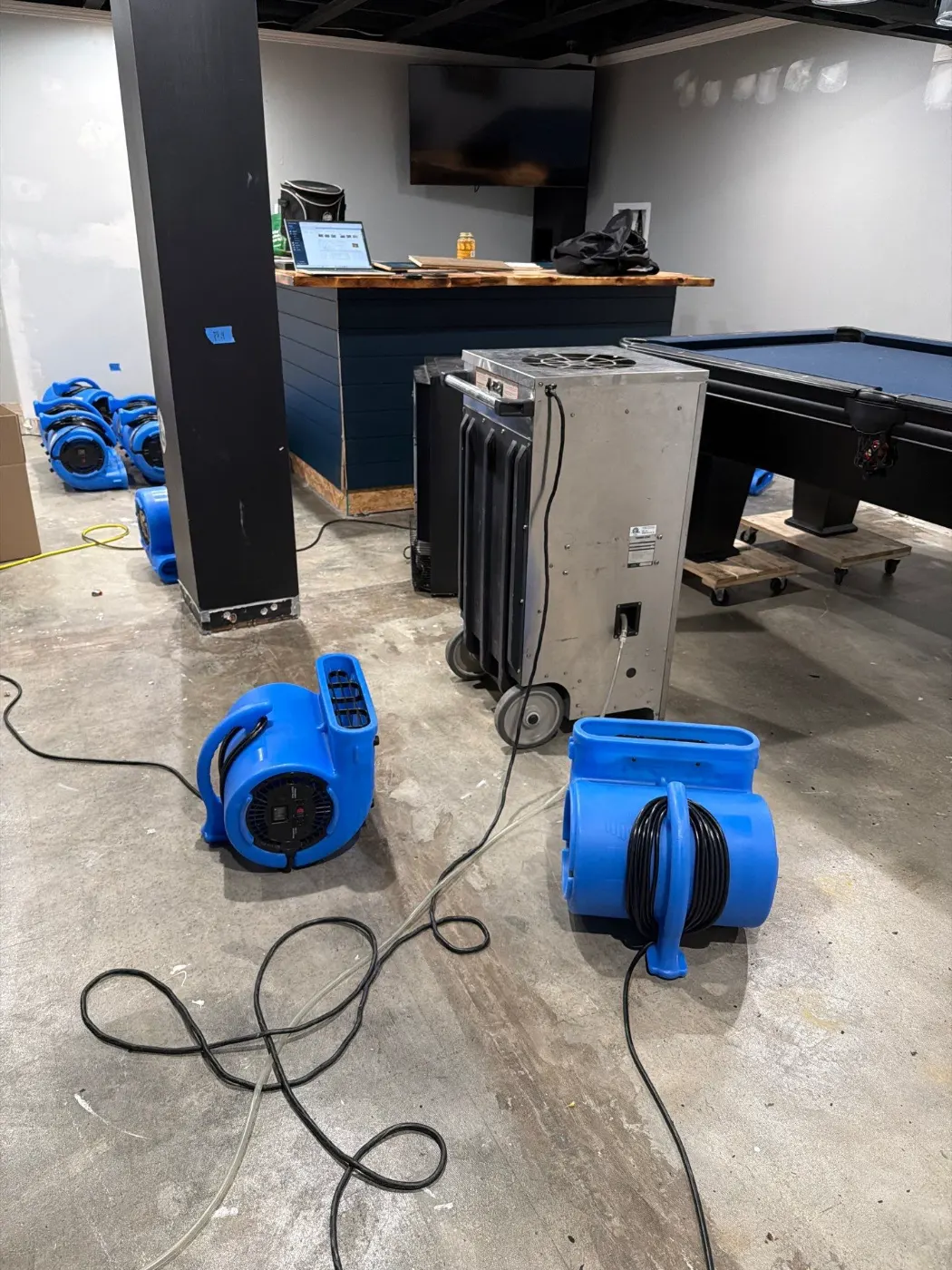
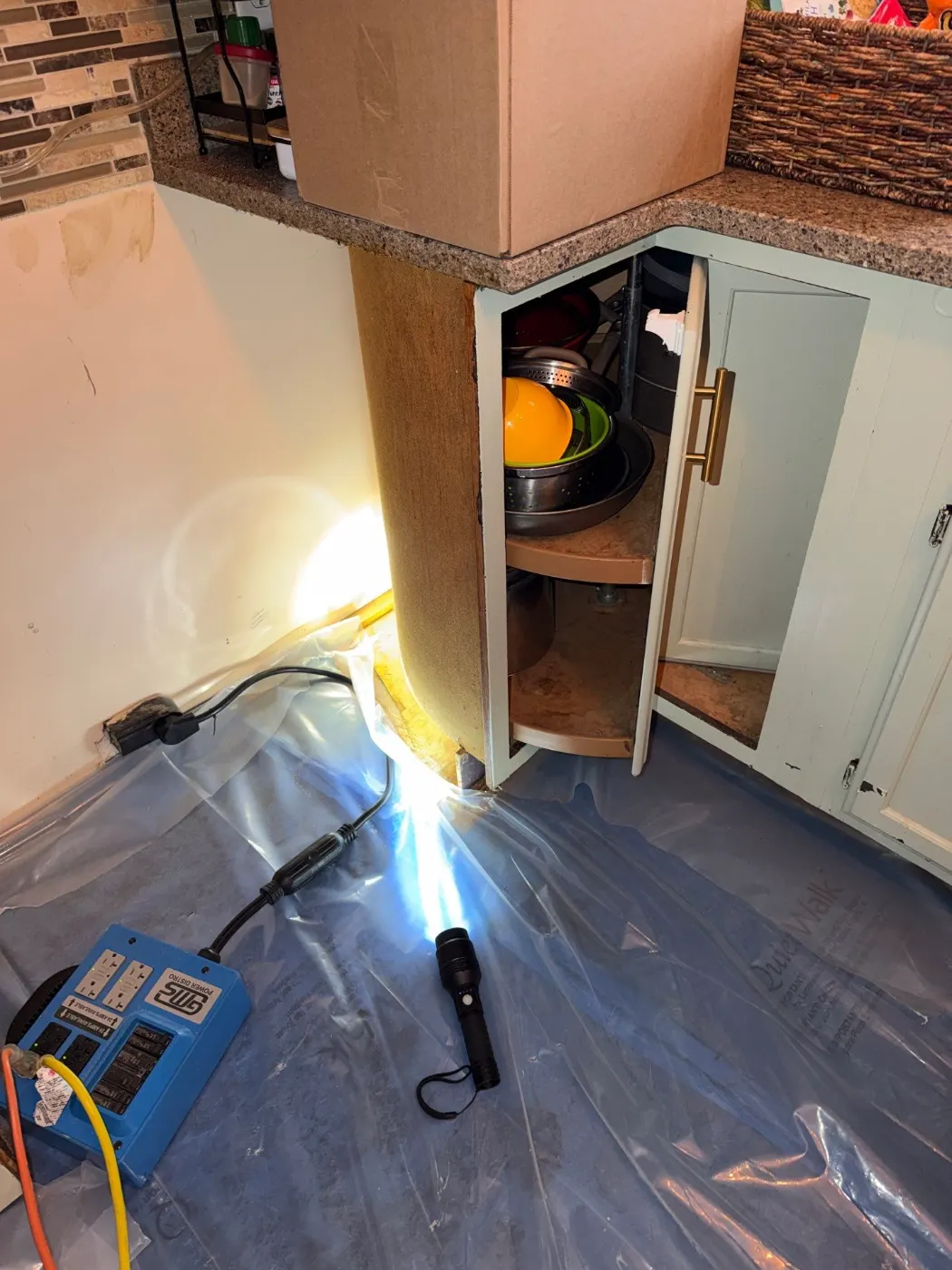
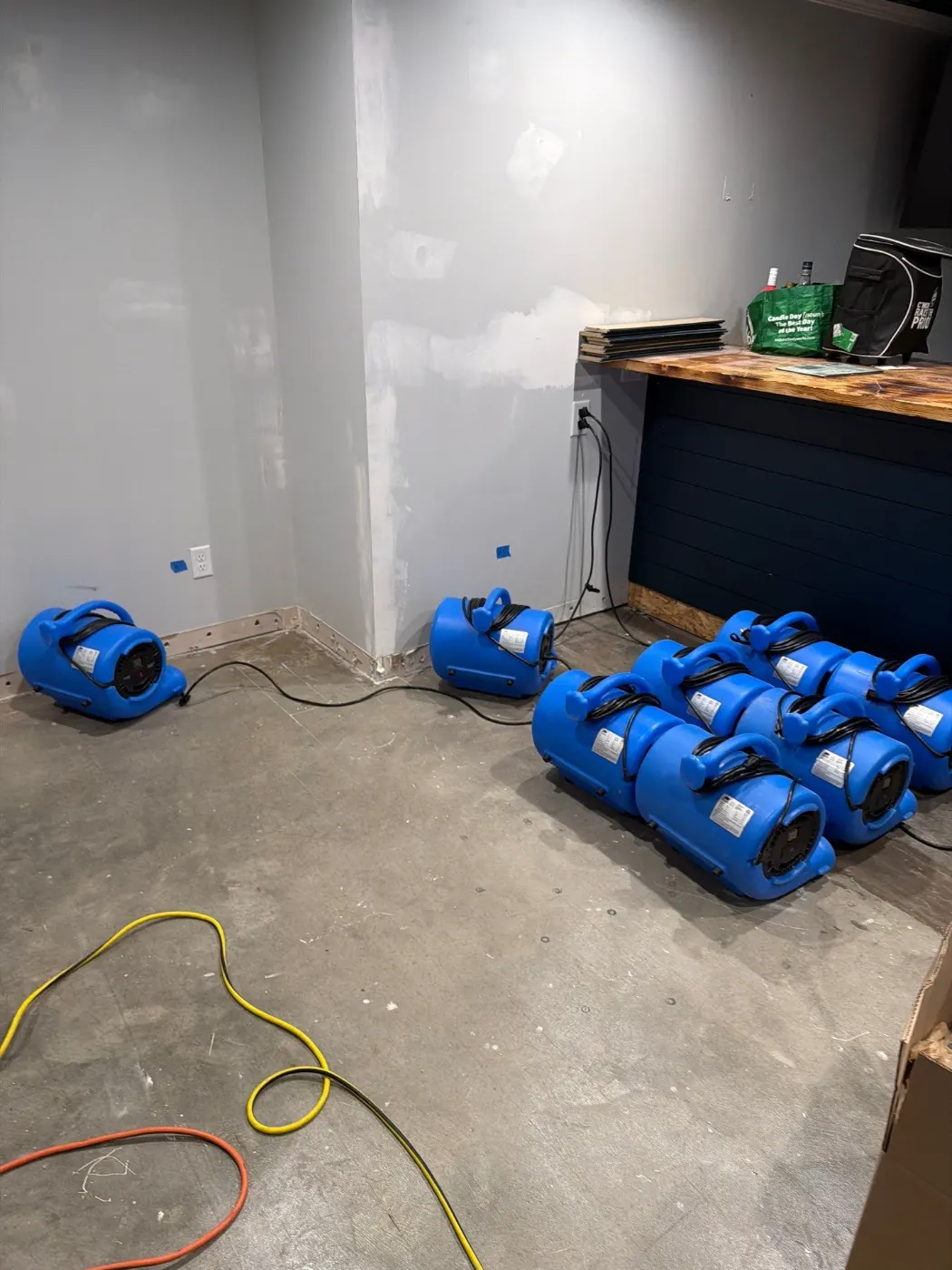
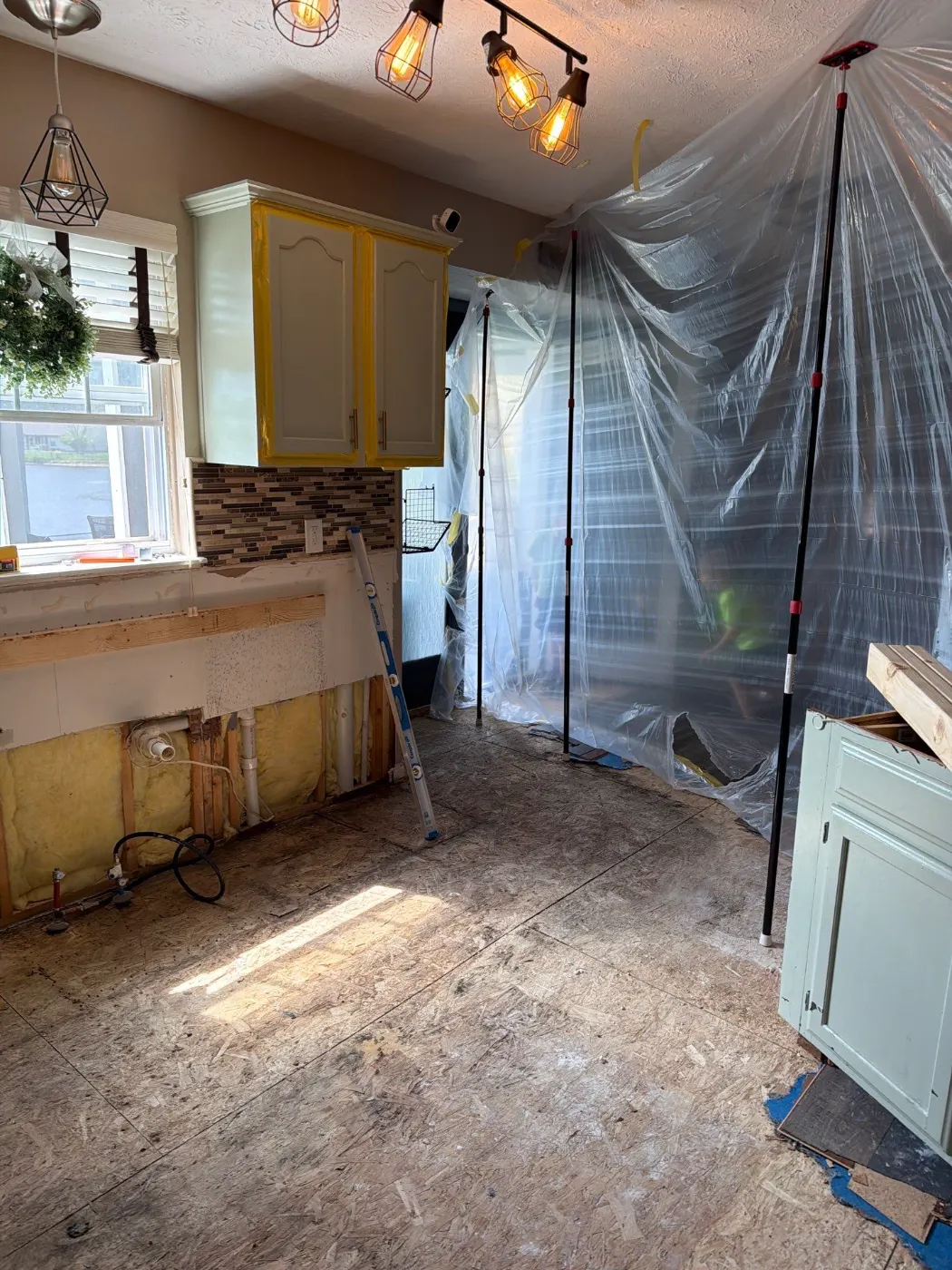
Photographs from real storm damage jobs completed by our crew in Sedona and surrounding areas.
Storm Damage FAQ
Questions Sedona homeowners ask us about storm damage restoration.
Guidance and Standards for Storm Damage
- The National Weather Service office in Indianapolis posts summaries of recent central Indiana storm and flood events. NWS Indianapolis Event Summaries
- The Indiana Department of Insurance advises against permanent repairs before your insurance company inspects the damage. Check your own policy for what it covers. Indiana Department of Insurance: Insurance Claim Tips
Other Restoration Services in Sedona
Sedona Water Restoration handles the full scope of restoration work. Explore our other services below.
Water Damage Restoration in Sedona
24/7 emergency response. IICRC certified water restoration from extraction to full dry out.
Learn more →Basement Flooding in Sedona
Basement water emergencies handled fast. Extraction, drying, mold prevention.
Learn more →Sewage Cleanup in Sedona
Category 3 biohazard cleanup. Full containment, decontamination, structural restoration.
Learn more →Request Storm Damage Restoration
Reach Us Directly
Our team is available 24/7 for emergencies and ready to schedule inspections during business hours.
Need Immediate Help?
For active water or mold emergencies, call us directly. We are available 24/7.