Commercial Storm Damage in Sedona, IN
Sedona Water Restoration dries storm water out of Sedona storefronts and loading docks while the doors stay open for business.
For Commercial Storm Damage in Sedona, Sedona Water Restoration brings the equipment, the certifications, and the paperwork: 24/7 response, written scopes, and insurance claim support. Call (765) 703-7292 for dispatch.
- Service: Commercial Storm Damage for Sedona homeowners
- Service area: Sedona, IN and surrounding areas
- Response time: Fast local response for Sedona; live dispatch every hour of the year
- Licensed and insured (License #RC21100059)
- Serving Sedona, IN since 2018
Commercial Storm Damage for Sedona Businesses
Ceiling tiles sag, then one lets go, and the water that was sitting in the plenum lands on a tenant's workstations. By then the batt insulation above the grid has been wet long enough to matter. Sedona Water Restoration takes commercial water intrusion calls in Sedona with a two hour dispatch, pulls the saturated tile and insulation, and gets air moving in the plenum before the gypsum above it starts to fail.
Water that crossed the dock apron or rose from outside gets handled as contaminated until the crew has established its category. Porous materials it soaked, such as carpet and insulation, are removed and bagged, and hard surfaces are cleaned before drying equipment goes in. Photos of the water line and the entry point at your Sedona dock go in the file first.
When a rooftop unit curb leaks, the duct below it becomes part of the job. The crew checks the supply and return runs for wet lining and dries the ceiling space the duct crosses. Replacing damaged duct lining is a call for your HVAC contractor, and Sedona Water Restoration shares the moisture readings with them at your Sedona property.
If your policy carries business interruption or extra expense coverage, the drying schedule becomes part of that calculation. Sedona Water Restoration logs which areas were unusable and for how long, with dates and photos, so your accountant and your broker have something to work from. The claim belongs to you and your carrier. The team supplies the facts the file needs and answers questions in writing.
Storm water in an occupied building gets worse every hour it sits. Call Sedona Water Restoration and a crew is on the way to your Sedona, IN property within two hours with extraction capacity, dry in materials, and the documentation your carrier will ask for. The team can meet you on site or coordinate with your roofer.
Signs You Need Commercial Storm Damage Restoration
If you notice any of these in your Sedona building, schedule a free inspection before the issue worsens.
Fresh brown rings on ceiling tile directly under an interior roof drain line
Ceiling tiles sagging, stained brown at the center, or crumbling along the grid in one area of a floor
Dock concrete that stays dark and cool to the touch for days after the surface water is gone
Water lines on the lower walls of a dock office or receiving area
Window sills or curtain wall mullions holding water on the inside face after wind driven rain
Paint blistering or wall covering bubbling on a wall that backs up to the exterior
Roof drain piping dripping at a joint inside a chase or above the ceiling
Stored records or fixtures with wet edges or water stains along the bottom
Water standing in a elevator pit, or a pit pump that's been cycling longer than usual
Mechanical room floor drains that fill during heavy rain and empty slowly afterward
How Sedona Water Restoration Handles Commercial Storm Damage
We follow these steps in order on every Sedona job.
Two Hour Dispatch
A crew dispatches to your Sedona commercial property within two hours of the call with extraction units, dry in materials, thermal imaging and moisture meters. Work starts on arrival while the team confirms building access, after hours contacts, and which spaces have to stay open.
Moisture Mapping
Every affected space gets walked with thermal imaging and both penetrating and nonpenetrating meters. Readings are keyed to a floor plan by room or column line, so the scope covers where the water went and leaves dry areas alone.
Occupied Space Planning
Suites and corridors that must stay in service get marked on the plan before any equipment is staged, along with where the barriers go. The loud work is scheduled for hours when the space is empty.
Structural Drying Setup
Dehumidification is sized to affected cubic footage, desiccant for open floor plates and refrigerant units for enclosed suites. Air movers go in at calculated angles. The crew checks available amperage and brings distribution or generator power when building panels can't carry the load.
Midpoint Scope Review
Partway through the job, the crew compares the readings with the projected equipment period and tells the property manager if the schedule or the scope has moved. Added removal is photographed and explained before the work starts.
Commercial Storm Damage in Sedona
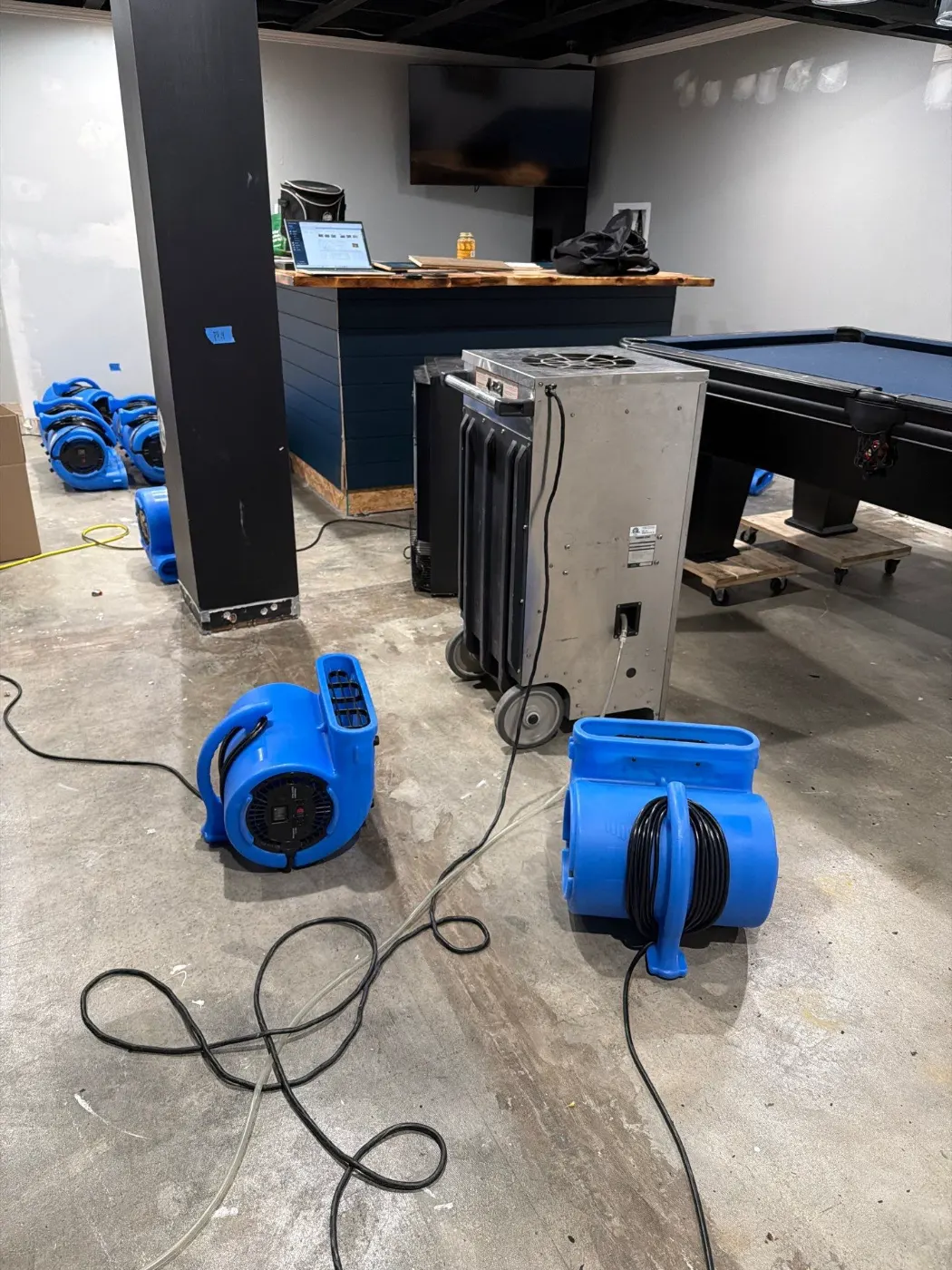
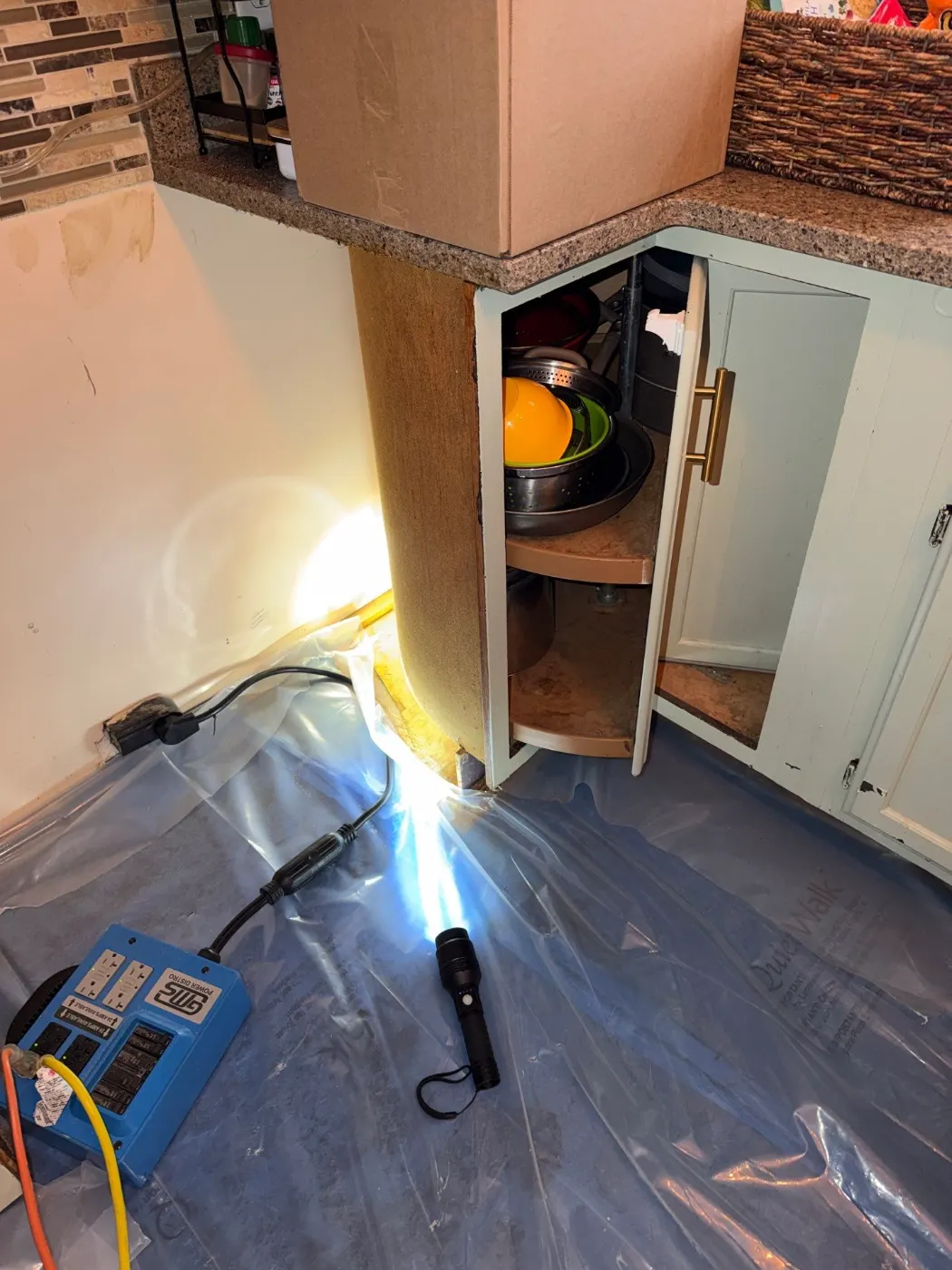
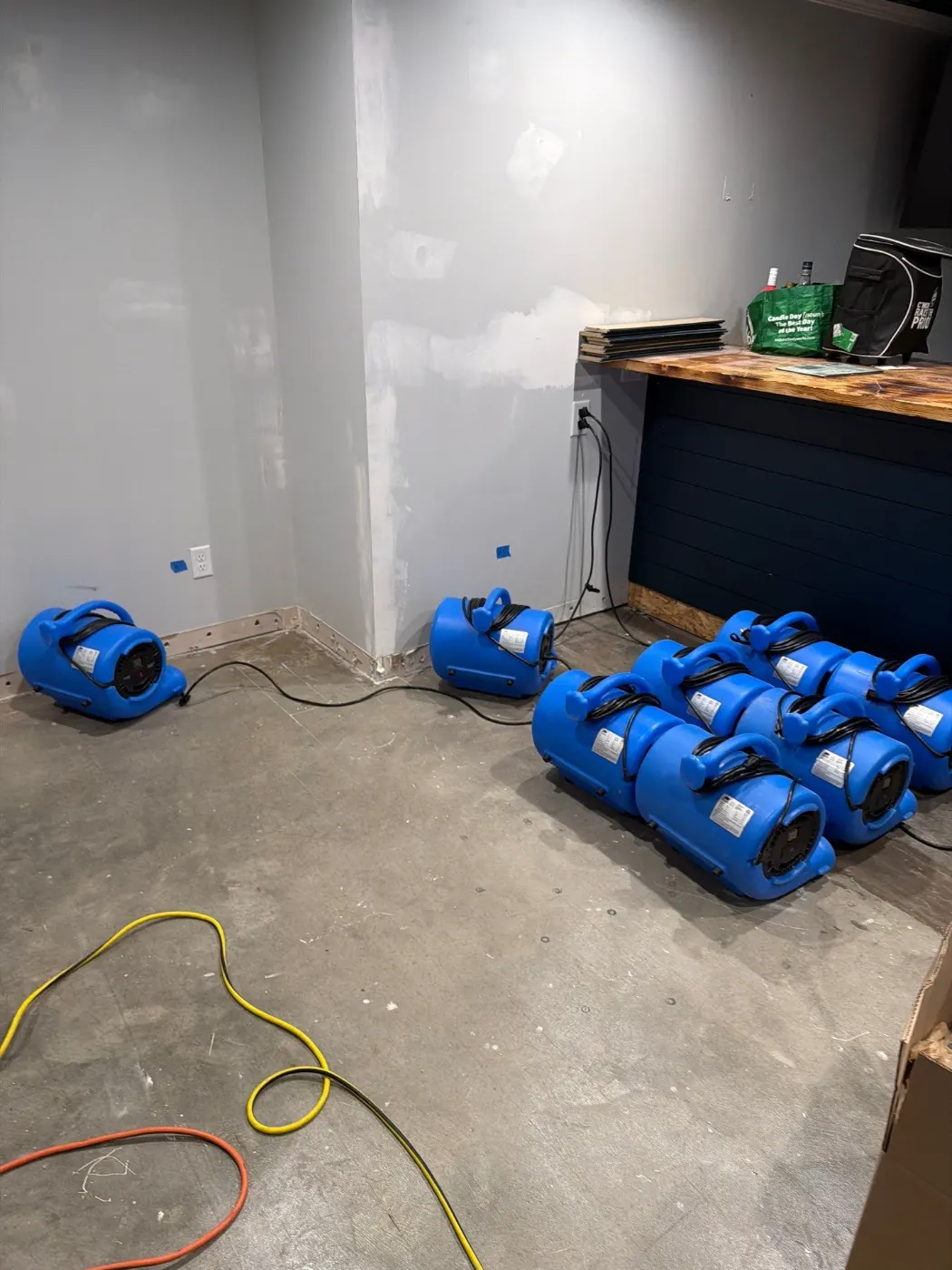
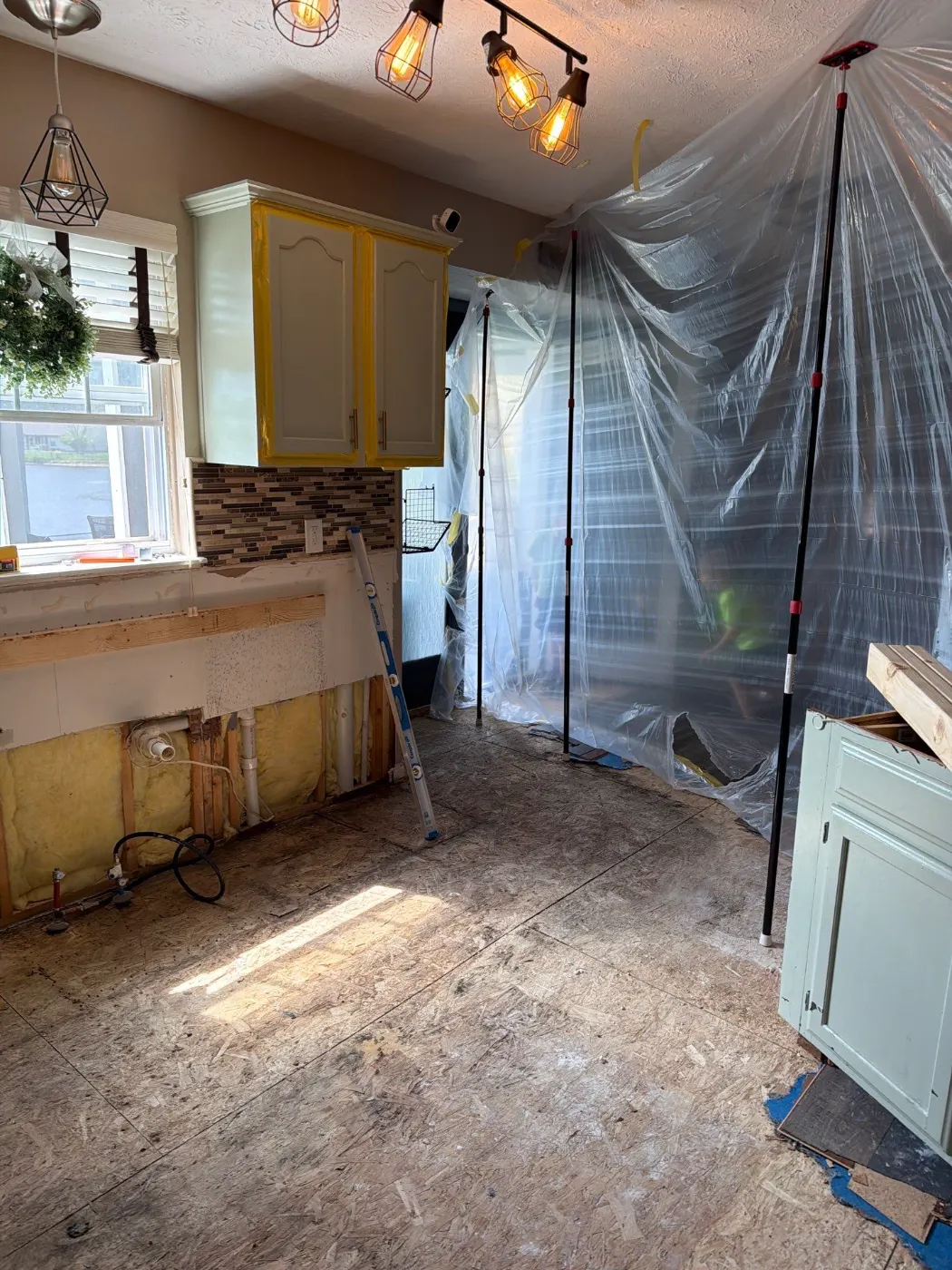
Photographs from real commercial storm damage jobs completed by our crew in Sedona and surrounding areas.
Commercial Storm Damage FAQ
Questions Sedona property managers ask us about commercial storm damage restoration.
Guidance and Standards for Commercial Storm Damage
- The National Weather Service office in Indianapolis posts summaries of recent central Indiana storm and flood events. NWS Indianapolis Event Summaries
- The ANSI/IICRC S500 is the published standard for professional water damage restoration. The current edition is the Fifth Edition, 2021. IICRC S500 Standard
Other Restoration Services in Sedona
Sedona Water Restoration handles the full scope of restoration work. Explore our other services below.
Water Damage Restoration in Sedona
24/7 emergency response. IICRC certified water restoration from extraction to full dry out.
Learn more →Basement Flooding in Sedona
Basement water emergencies handled fast. Extraction, drying, mold prevention.
Learn more →Sewage Cleanup in Sedona
Category 3 biohazard cleanup. Full containment, decontamination, structural restoration.
Learn more →Request Commercial Storm Damage Restoration
Reach Us Directly
Our team is available 24/7 for emergencies and ready to schedule inspections during business hours.
Need Immediate Help?
For active water or mold emergencies, call us directly. We are available 24/7.