Water Damage Restoration in Sedona, IN
Water damage in your Sedona home, handled from the first pump through the last coat of paint.
Searching for Water Damage Restoration near Sedona? Sedona Water Restoration dispatches 24/7, documents everything, and works with your insurance carrier from first call to final walkthrough. Call (765) 703-7292.
- Service: Water Damage Restoration for Sedona homeowners
- Service area: Sedona, IN and surrounding areas
- Response time: Around the clock dispatch; Sedona emergencies move to the front of the line
- Licensed and insured (License #RC21100059)
- Serving Sedona, IN since 2018
Expert Water Damage Restoration for Sedona Homeowners
A pipe that froze and split in your Sedona home often doesn't leak until it thaws, and then it runs at full pressure. Pipes in outside walls, crawl spaces and unheated garages are the usual ones. Shut off the main and open a faucet to take the pressure off the line. Sedona Water Restoration dispatches a crew within 2 hours to extract the water and start drying the wall the pipe ran through.
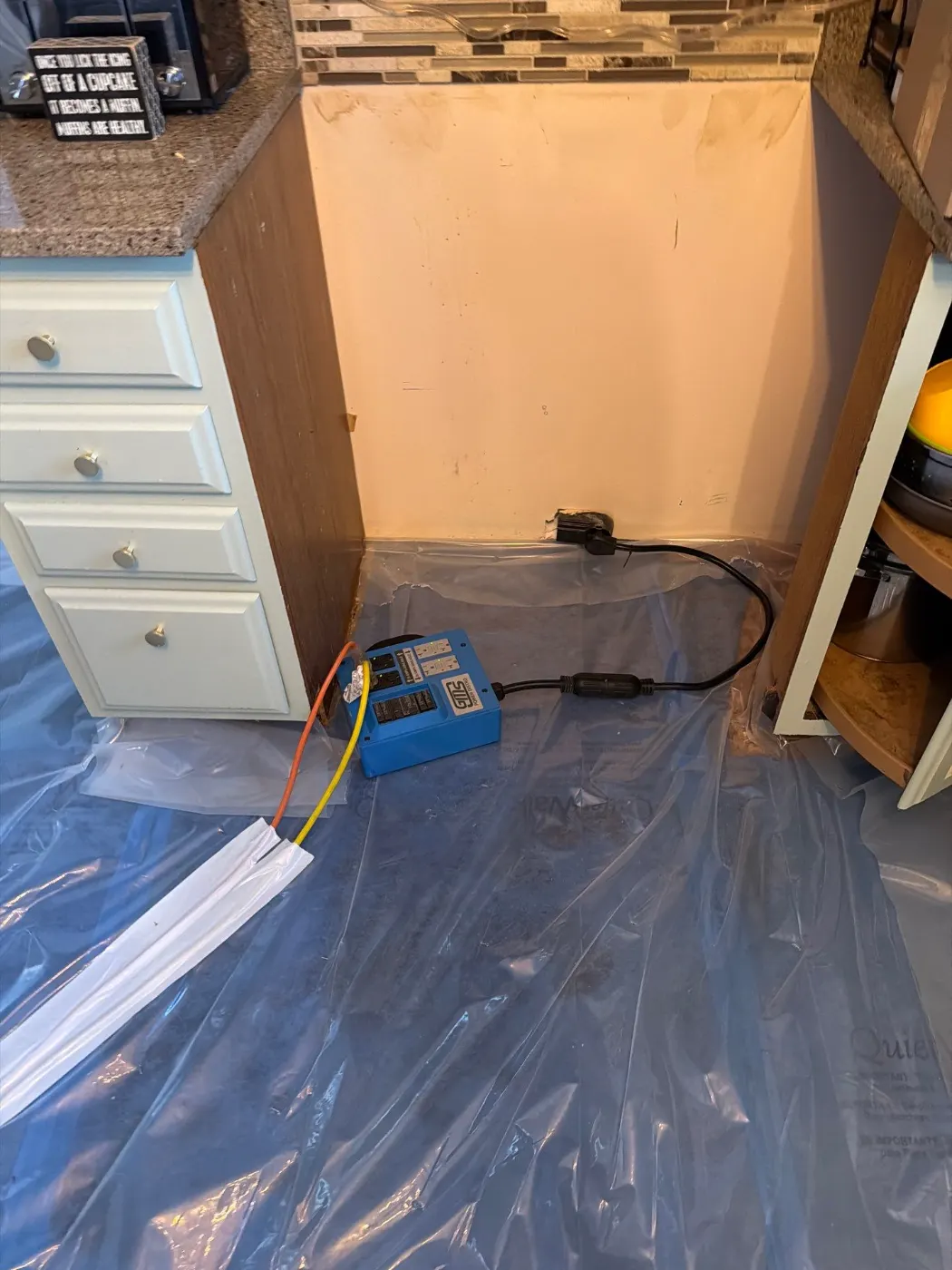
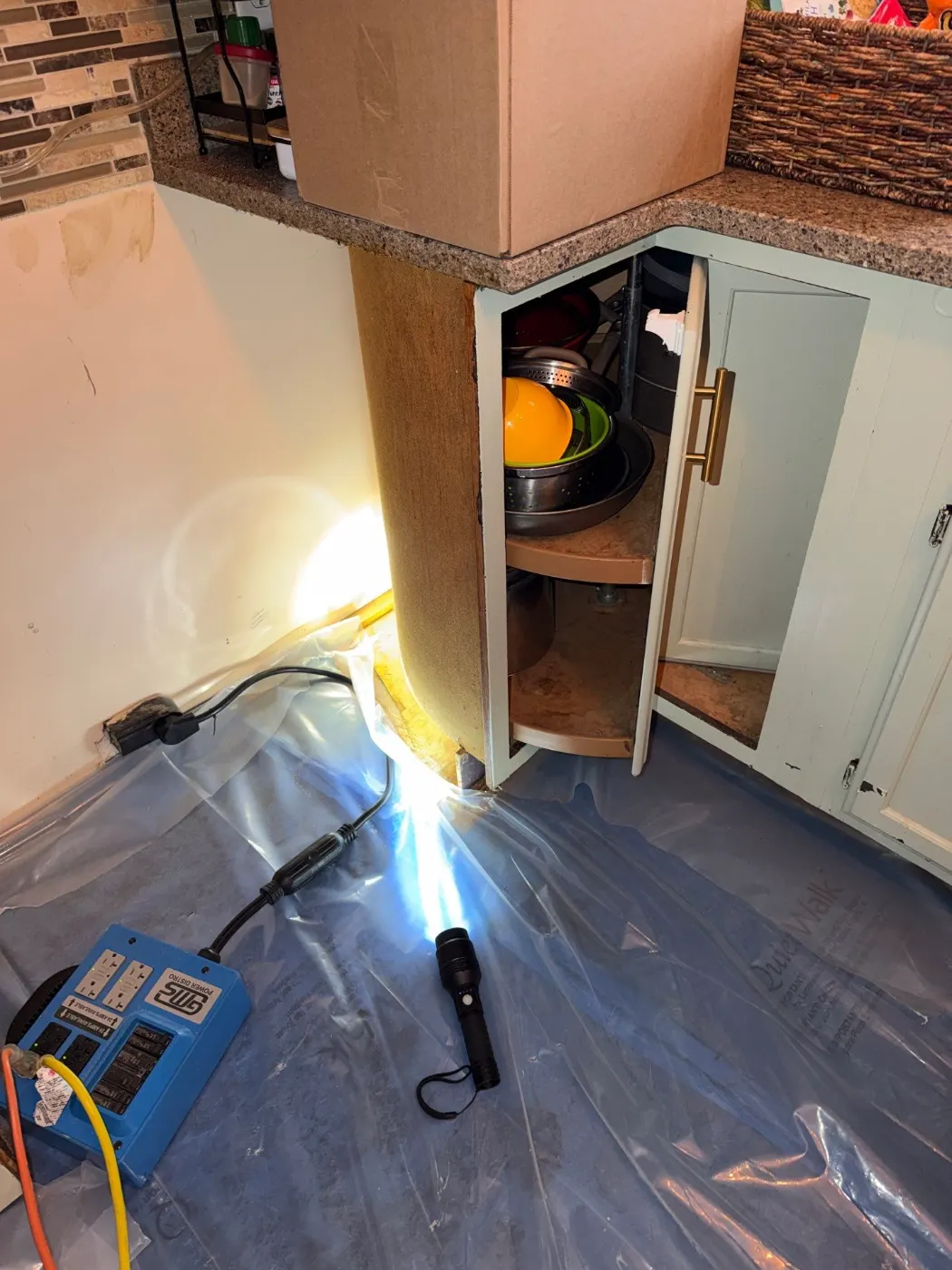
Many cabinets, floors and walls in a wet house can be dried in place, and Sedona Water Restoration plans for that first in Sedona. Toe kicks come off so air reaches under the cabinets, and small holes at the base of a wall let dry air into the cavity. Material comes out only when the readings show it won't dry. The plan and the photos go in your file.
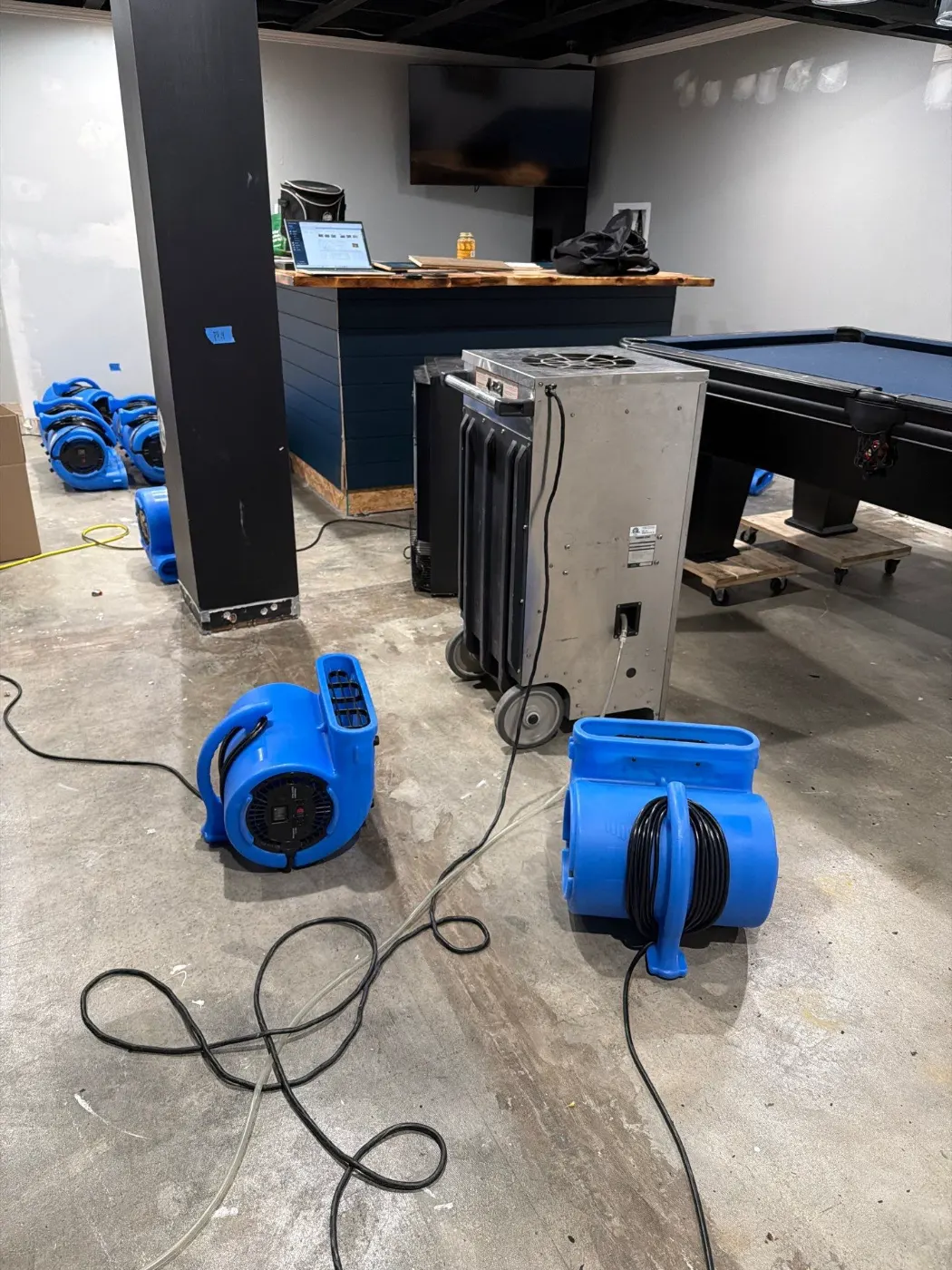
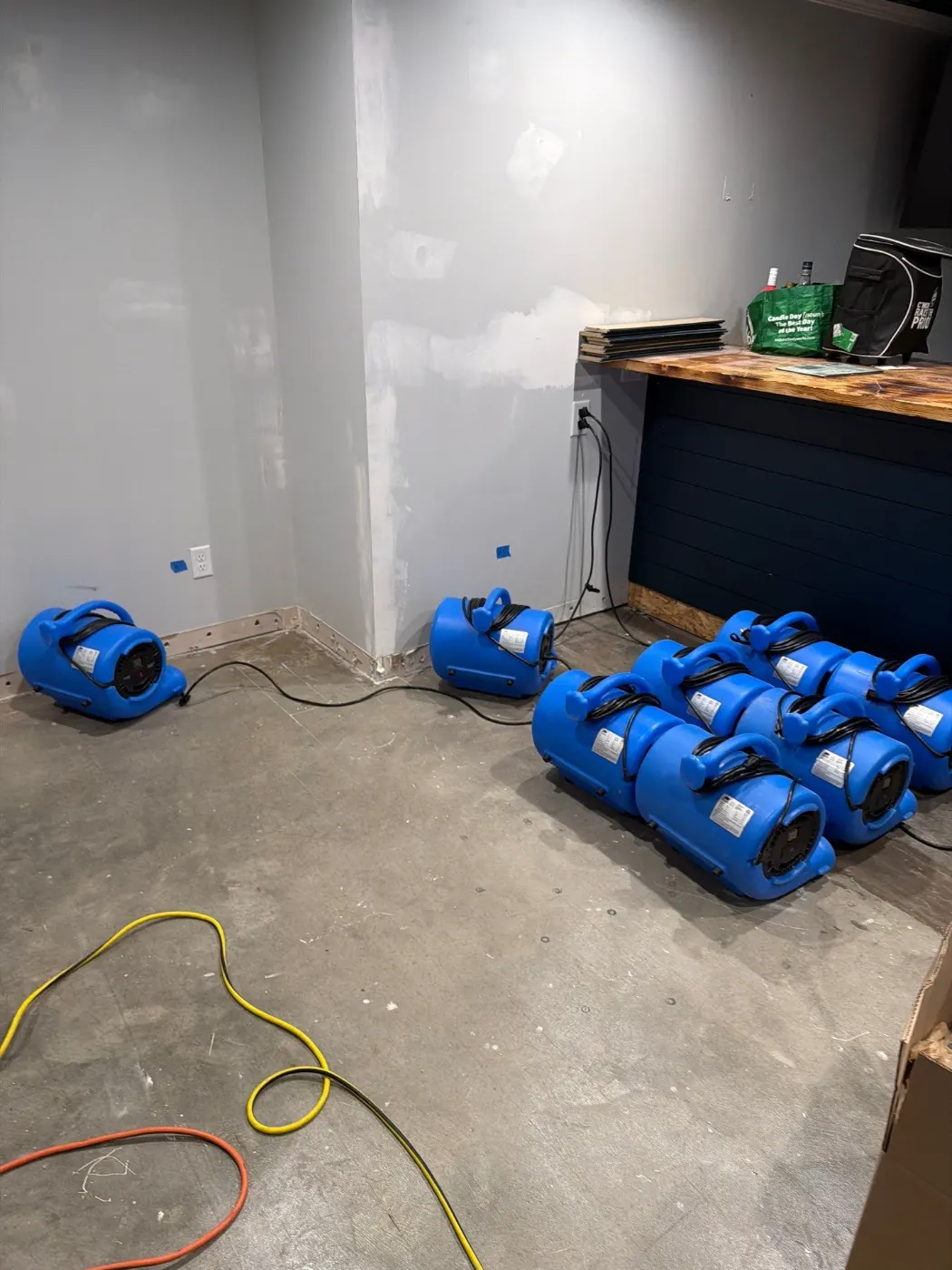
Dehumidifiers get sized to your rooms and the amount of wet material in them. Too little capacity leaves the house damp for days longer. The crew checks the humidity in each room against the air outside and adds or removes units as the readings change. Sedona Water Restoration keeps your Sedona home closed up on days when the outdoor air is wetter than the air inside.
Which part of your policy applies depends on where the water came from. Water from a failed pipe or appliance usually falls under the sudden and accidental part of a homeowners policy, while rising surface water usually needs a separate flood policy. Sedona Water Restoration records the source in your Sedona home, and your agent and adjuster make the call on coverage.
When you phone Sedona Water Restoration, have a few details ready: the address, where the water is coming from, which rooms are wet and whether the main is shut off. Those answers let the crew plan the extraction before reaching your Sedona home, and the photo report starts on the first visit.
Signs You Need Water Damage Restoration
If you notice any of these in your Sedona home, schedule a free inspection before the issue worsens.
Bathroom tile that sounds hollow or feels loose underfoot near the shower or tub
Visible mold growth or dark spots on walls, ceilings, or under sinks
Sudden spike in your water bill suggesting a hidden leak somewhere in the home
Recent roof leak or storm intrusion that allowed water into the attic or living space
Attic insulation that looks matted and damp below a bathroom or beside the air handler
Drywall that feels soft, or a ceiling that sags or bulges between the joists
Doors or window frames that start to stick after water reached the wall beside them
Walls beside a bathroom or kitchen that feel cool and damp to the touch
Carpet that stays wet for more than 24 hours after a known water event
Visible standing water on any floor or in any room of your Sedona home
How Sedona Water Restoration Handles Water Damage Restoration
We follow these steps in order on every Sedona job.
Extraction and Containment
Pumps and extraction tools remove the standing water. Plastic containment goes up where the water is contaminated, soaked pad and insulation get bagged for disposal, and an EPA registered antimicrobial goes on the surfaces that stay.
Checking the Subfloor
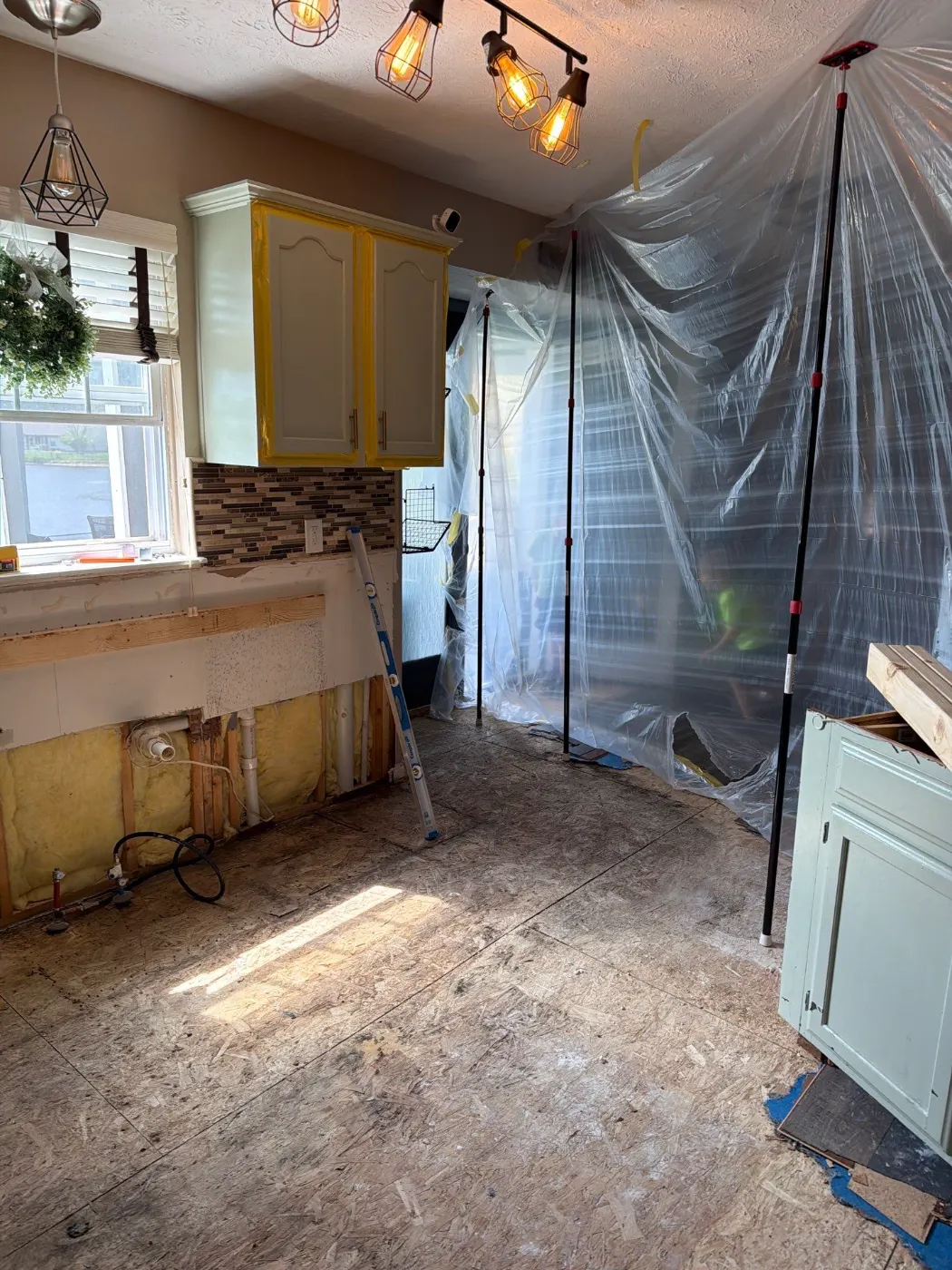
With flooring and pad out of the way, the crew reads the subfloor and the framing in your Sedona home with a meter. Wood that reads wet gets drying equipment, and a section comes out when the readings show it can't reach the dry number.
Cleanup After Removal
Bagged debris leaves through a protected path, and the exposed framing and subfloor get a vacuum pass and a wipe down. The crew works to keep removal dust out of the dry rooms, and the area is ready for equipment.
Planning the Repairs
Once the final readings are in, the crew goes over what was removed from your Sedona home and what repairs come next, with the photos and numbers beside each item. You decide how and when the repairs go ahead.
Checks at Each Stage
The work gets checked after extraction, during drying, before repairs start and at the end. Each check adds photos and readings to your file, so the next stage starts from a documented condition.
Water Damage Restoration in Sedona
Photographs from real water damage restoration jobs completed by our crew in Sedona and surrounding areas.
Water Damage Restoration FAQ
Questions Sedona homeowners ask us about water damage restoration.
Guidance and Standards for Water Damage Restoration
- EPA advises drying water damaged areas and items within 24 to 48 hours to prevent mold growth. EPA: A Brief Guide to Mold, Moisture and Your Home
- The ANSI/IICRC S500 is the published standard for professional water damage restoration. The current edition is the Fifth Edition, 2021. IICRC S500 Standard
- The Indiana Department of Insurance advises against permanent repairs before your insurance company inspects the damage. Check your own policy for what it covers. Indiana Department of Insurance: Insurance Claim Tips
Other Restoration Services in Sedona
Sedona Water Restoration handles the full scope of restoration work. Explore our other services below.
Basement Flooding in Sedona
Basement water emergencies handled fast. Extraction, drying, mold prevention.
Learn more →Sewage Cleanup in Sedona
Category 3 biohazard cleanup. Full containment, decontamination, structural restoration.
Learn more →Storm Damage in Sedona
Storm related water emergencies. Tarping, extraction, drying, and full restoration.
Learn more →Request Water Damage Restoration
Reach Us Directly
Our team is available 24/7 for emergencies and ready to schedule inspections during business hours.
Need Immediate Help?
For active water or mold emergencies, call us directly. We are available 24/7.